
Searching for the best tarta de acelga near me leads to a dish rooted in Spanish and Latin American home kitchens. Tarta de acelga is a savory spinach pie built on flaky pastry and seasoned greens. For a complementary read on the same theme, see Twanna Turner Melby: NBC News Reporter on Race and Inequality
What Makes a Great Tarta de Acelga Worth Seeking Out
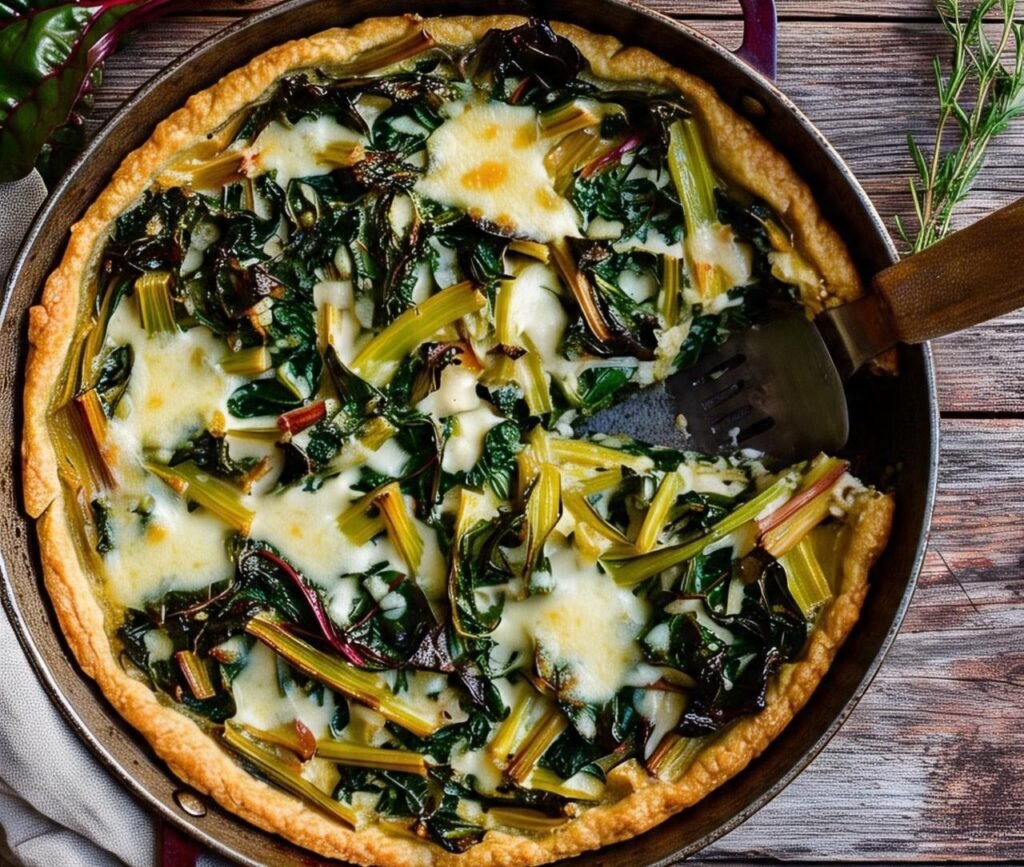
A well-made tarta de acelga balances tender, well-drained spinach with a crisp crust that holds together without turning soggy. The filling typically combines sautéed chard or spinach with onion, garlic, eggs, and cheese. Some versions include ricotta or a blend of grated cheeses for richness. A reference profile of the subject is maintained on Galicia (Spain)
In Argentina, the dish often appears as a large rectangular tart cut into squares for sharing. Spanish versions sometimes lean toward individual portions with puff pastry tops. The best examples avoid overcooking the greens, preserving a slight bite and fresh color rather than turning everything into a uniform mush.
Regional Styles That Shape the Best Tarta de Acelga Near Me
Galicia in northwestern Spain has a strong tradition of savory tarts and empanadas, and tarta de acelga fits naturally within that lineage. Galician bakers often use local greens and olive oil-based doughs that differ from butter-heavy pastry traditions elsewhere. The region’s culinary identity emphasizes simple, well-sourced ingredients prepared without excess complication. A reference profile of the subject is maintained on Best Tarta De Acelga Near Me: Finding Swiss Chard Pie Locally
Across Latin America, Argentine bakeries and home cooks have adapted the recipe to local tastes. Argentine tarta de acelga frequently includes nutmeg and sometimes a touch of cream in the filling. In Uruguay and parts of Chile, similar spinach tarts appear in neighborhood bakeries as everyday items rather than special-occasion dishes.
Where to Search for Quality Tarta de Acelga in Your Area
Spanish and Latin American bakeries are the most reliable places to find tarta de acelga made with traditional methods. Neighborhood panaderías in areas with significant Spanish-speaking communities often carry it as a regular menu item. Farmers’ markets and food festivals featuring Latin American cuisine sometimes include vendors specializing in savory baked goods.
When evaluating options, look for bakeries that prepare items on-site rather than relying on mass-produced frozen products. A freshly baked tarta de acelga will have a visibly flaky crust and a filling that tastes of the greens themselves rather than heavy seasoning masking blandness. Asking staff about preparation methods can reveal whether a bakery takes shortcuts or follows traditional recipes.
What to Expect When Ordering Tarta de Acelga Locally
Availability varies significantly by region and community. In cities with large Argentine or Spanish populations, finding tarta de acelga is relatively straightforward. In smaller towns, it may require seeking out specialty bakeries or requesting a custom order from a shop that makes savory tarts.
Some bakeries sell tarta de acelga by the slice while others offer whole tarts meant for sharing. Pricing tends to reflect the labor involved in preparing the greens and assembling the pastry. A higher price point often signals more careful preparation, though this is not always the case.
Frequently Asked Questions
What is tarta de acelga made of?
Tarta de acelga is a savory spinach or chard tart made with sautéed greens, onion, eggs, cheese, and flaky pastry. Some recipes include ricotta or cream for added richness. The greens are typically drained well to prevent a soggy crust.
Is tarta de acelga the same as an empanada?
No, tarta de acelga is an open or covered tart, while empanadas are folded pastries sealed around a filling. Both are popular in Spanish and Argentine cuisines, but they differ in shape, preparation, and typical serving style.
Can I find tarta de acelga in regular bakeries?
Regular bakeries outside Spanish-speaking communities rarely carry tarta de acelga. It is most commonly found in Latin American or Spanish bakeries, specialty shops, or at food festivals featuring regional cuisines.
How should tarta de acelga be stored?
Tarta de acelga keeps well in the refrigerator for two to three days when covered. Reheating in an oven or toaster oven helps restore the crust’s crispness. Avoid microwaving extended periods, as this can make the pastry soft and chewy.
Is tarta de acelga suitable for vegetarians?
Yes, traditional tarta de acelga is vegetarian, relying on eggs and cheese as binding agents rather than meat. However, some variations may include bacon or ham, so it is worth asking about specific ingredients when ordering.
How to Judge Whether a Local Bakery Makes Tarta de Acelga Well
Several visual and practical cues can help distinguish a carefully made tarta de acelga from a mediocre one. The crust should appear golden and layered, not pale or dense. When sliced, the filling should hold its shape without releasing excess liquid onto the plate.
The aroma matters too. A good tarta de acelga smells of cooked greens and toasted pastry rather than heavy grease or artificial flavoring. The flavor of the spinach or chard should be present and distinct, not buried under excessive cheese or salt. A balanced version lets each component contribute without any single element dominating.
Texture is another reliable indicator. The greens should retain some tenderness rather than dissolving into a uniform paste. The pastry should flake cleanly when bitten. A soggy bottom crust usually signals inadequate draining of the greens or insufficient baking time.
How Home Cooks Can Approach Making Tarta de Acelga
Preparing tarta de acelga at home requires attention to a few critical steps. Thoroughly draining cooked greens after sautéing prevents moisture from ruining the pastry. Squeezing excess liquid from the spinach or chard by hand or with a clean cloth makes a significant difference in the final result.
Choosing the right pastry matters. Puff pastry offers convenience and reliable flakiness, while homemade shortcrust dough provides a more traditional texture. Blind baking the bottom layer briefly before adding the filling can further protect against sogginess.
Seasoning should complement rather than overpower the greens. Onion, garlic, salt, pepper, and nutmeg form a standard base. Adding too much cheese can mask the vegetable’s flavor and make the filling heavy. Tasting the filling before assembling allows adjustments before the tart goes into the oven.