
What is Classroom 15x?
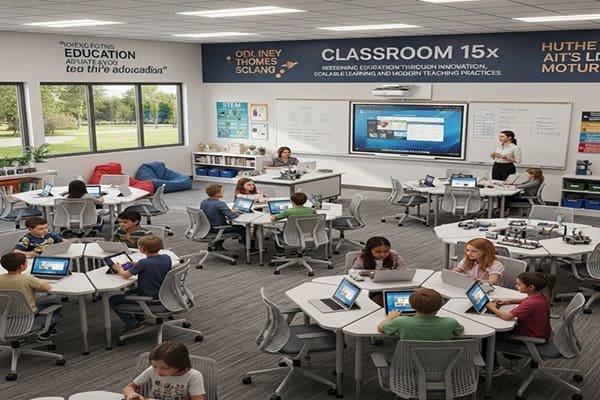
Classroom 15x is a transformative educational framework designed to significantly enhance the learning experience for students in contemporary settings. This innovative model emerged from the increasing demand for adaptive and personalized education, addressing the limitations inherent in traditional classroom environments. The initiative primarily aims to develop critical thinking, creativity, and collaboration among students while integrating technology into the learning process.
At the core of Classroom 15x are several key principles that distinguish it from conventional classrooms. Firstly, it emphasizes active learning strategies, where students engage directly with the material, fostering a deeper understanding of the subject matter. Secondly, this model advocates for a flexible learning environment, allowing students to learn at their own pace, making education more accessible and suited to individual needs. Classroom 15x also incorporates project-based learning, encouraging students to tackle real-world problems and work collaboratively, fostering essential skills for future success.
The incorporation of digital tools is another hallmark of Classroom 15x. By leveraging technology, educators can create a more dynamic and engaging learning environment. This not only enhances student engagement but also equips them with the digital literacy essential for the 21st century. Furthermore, Classroom 15x promotes inclusivity, ensuring that diverse learning styles and backgrounds are acknowledged and catered to, helping all students thrive.
In conclusion, Classroom 15x represents a revolutionary shift in the education sector, emphasizing student-centered learning, flexibility, and the integration of technology, all aimed at preparing students for an increasingly complex world. By addressing modern educational needs, Classroom 15x sets a new standard for effective teaching and learning.
The Benefits of Classroom 15x for Students
Classroom 15x is an innovative approach designed to transform the educational landscape by providing students with numerous benefits that enhance their learning experience. One of the most significant advantages of Classroom 15x is its ability to boost student engagement. This method incorporates collaborative learning strategies that facilitate participation, ensuring that students are actively involved in their educational journey rather than being passive recipients of information. As a result, students become more invested in their learning, which can lead to improved academic outcomes.
Additionally, Classroom 15x fosters critical thinking among students. By utilizing real-world problems and scenarios, this approach encourages learners to analyze, evaluate, and create solutions collaboratively. Students are prompted to think beyond traditional rote memorization and engage with the content deeply. This critical thinking skill is invaluable as it prepares students for complex challenges they may face in the future, both academically and professionally.
Another key benefit of Classroom 15x is its focus on individualized learning experiences. The program recognizes that each student has unique strengths, weaknesses, and learning styles. By tailoring educational approaches to fit these diverse needs, Classroom 15x enables educators to provide personalized support and resources. This tailored approach helps to ensure that all students progress at their own pace, ultimately enhancing their learning outcomes.
Moreover, Classroom 15x is instrumental in equipping students with essential skills for future challenges. Collaboration, adaptability, and effective communication are central tenets of this educational framework. As students work together and interact in diverse teams, they develop these competencies, which are highly valued in today’s dynamic workforce. Overall, the Classroom 15x model stands as a powerful tool for modern education, offering substantial advantages that pave the way for student success.
Implementation of Classroom 15x in Schools
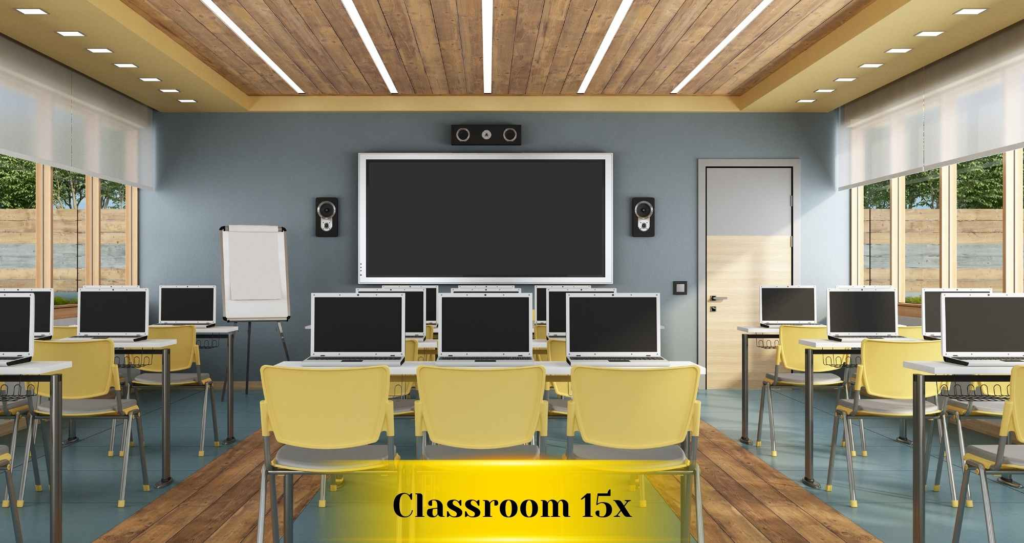
Implementing the Classroom 15x model in schools is a transformative endeavor that requires careful planning and execution. This educational framework focuses on personalized learning, fostering student engagement, and enhancing instructional practices. Schools looking to adopt this model should follow several practical steps to ensure a smooth transition.
First, it is essential for educational leaders to conduct a thorough needs assessment. By evaluating current teaching methodologies, school culture, and technological resources, administrators can identify specific areas for improvement that align with the Classroom 15x principles. Engaging teachers and staff in this assessment is crucial, as their insights will significantly contribute to the planning process.
Next, schools must invest in appropriate resources, including professional development for educators. Training should cover the foundational elements of the Classroom 15x model, such as collaborative teaching strategies, effective use of technology, and differentiated instruction techniques. Equipping teachers with the right tools will empower them to create more dynamic and responsive classroom environments.
In addition to training, the integration of technology plays a pivotal role in the Classroom 15x approach. Schools should explore various digital platforms that facilitate personalized learning experiences, allowing students to progress at their own pace. This might include learning management systems, interactive educational software, and online assessment tools.
Despite the numerous benefits, challenges may arise during the implementation phase. Resistance to change from faculty and the potential lack of familiarity with new technologies can hinder progress. Thus, continuous support and feedback mechanisms are essential to address concerns and celebrate early successes.
Several educational institutions have successfully implemented the Classroom 15x model, showcasing how it can be adapted to various contexts. For example, a middle school in California integrated this method into its curriculum, resulting in increased student engagement and improved academic performance. Such case studies provide valuable insights for schools considering this significant shift.
Future of Education with Classroom 15x
The future of education appears promising with the advent of innovative concepts such as Classroom 15x. This model is anticipated to revolutionize the traditional educational framework, focusing on enhanced learning experiences and outcomes for students. One of the dominant trends shaping this future is the integration of technology, which plays a vital role in transforming classrooms into interactive learning environments. With advanced tools, educators can offer personalized learning opportunities tailored to individual student needs and preferences.
As we look ahead, the emergence of artificial intelligence and data analytics in the classroom is likely to enhance not only instructional techniques but also student engagement. Educators using Classroom 15x can utilize data-driven insights to design lesson plans that accommodate various learning styles, ensuring that all students are actively involved in their education. This adaptability aligns with the global demand for inclusive and equitable educational strategies, paving the way for better academic performance.
Moreover, as the world becomes increasingly interconnected, the teaching methodologies within Classroom 15x must evolve to embrace global perspectives. The incorporation of collaborative projects that involve students from different cultures and backgrounds can enhance critical thinking and problem-solving skills. Such approaches prepare learners for a globalized workforce, where adaptability and cultural awareness are essential skills.
In essence, the Classroom 15x model embodies a shift towards a more dynamic and engaging educational framework that emphasizes collaboration, technology use, and inclusivity. This shift is not just a trend but a necessary evolution necessitated by the rapid changes in our society. By embracing these transformative elements, the future of education will not only foster higher levels of engagement but will also equip students to thrive in an ever-changing world.