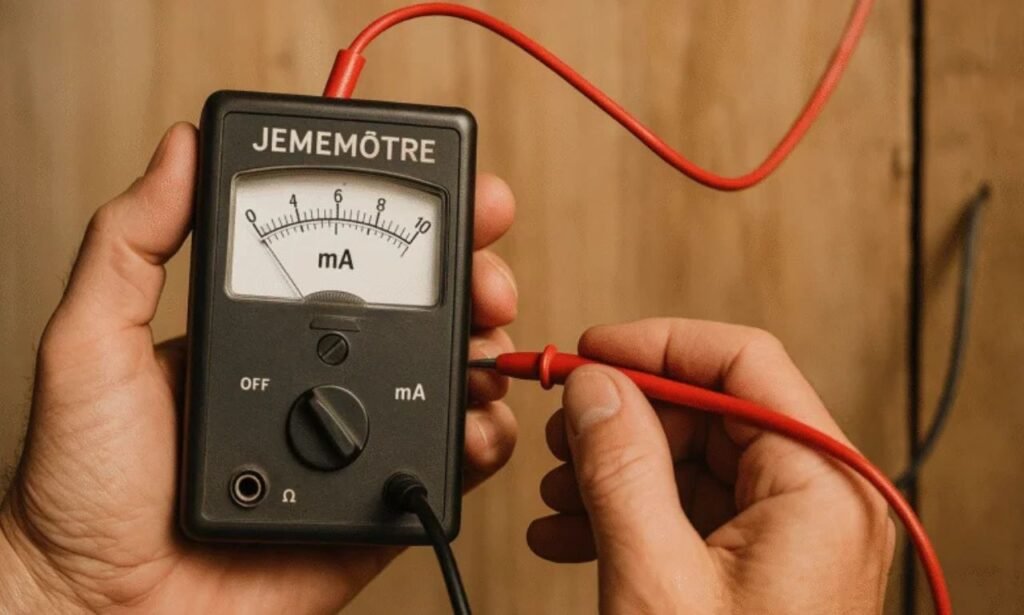

Many assume the Quantified Self movement is purely American. Yet a distinct French neologism, JeMeMôtre, emerged around 2012 to describe the same impulse: measuring one’s own body and habits through data. The term blends “je” (I), “me” (myself), and “mètre” (meter), capturing a cultural shift toward personal analytics.
How JeMeMôtre Evolved in the Post-COVID Era
After 2020, the use of fitness trackers and health apps surged globally. In France, JeMeMôtre gained renewed relevance as people monitored steps, sleep, and heart rate more diligently. The pandemic accelerated a trend that had been simmering since the early 2010s. Today, the concept is both embraced for wellness and critiqued for its data privacy implications. Companies like Fitbit, Apple, and Google collect vast amounts of personal information, raising questions about consent and security. Some observers note that the term is now used ironically to critique obsessive self-monitoring in digital culture.
Key Milestones in the Rise of Self-Quantification in France
The Quantified Self movement began in 2007 in the United States. By 2012, French tech and health bloggers had started using the term JeMeMôtre. French journalist and author Alexandre des Isnards wrote about digital self-tracking, helping popularize the concept. In the following years, wearable devices became more affordable and widespread. The COVID-19 pandemic further normalized health tracking, with many French citizens using apps to monitor symptoms and activity levels. By the mid-2020s, JeMeMôtre had become a recognizable part of the digital lexicon, though it remains less mainstream than its English counterpart.
| Year | Milestone |
|---|---|
| 2007 | Quantified Self movement founded in the US |
| 2012-2013 | JeMeMôtre term coined by French bloggers |
| 2010s | Wearable devices become mainstream |
| 2020s | Post-COVID surge in health tracking |
JeMeMôtre vs. the Quantified Self Movement: Similarities and Differences
Both JeMeMôtre and the Quantified Self movement focus on self-measurement through technology. However, JeMeMôtre carries a distinctly French cultural flavor. The term itself is a playful neologism that reflects a certain irony about self-obsession. While the Quantified Self movement in the US often emphasizes productivity and optimization, JeMeMôtre sometimes critiques the very practice it describes. French critics have raised concerns about data privacy and the commodification of personal information. Alexandre des Isnards, a key figure, has written about the paradox of seeking self-knowledge through corporate-owned platforms. In contrast, the American movement has historically been more techno-optimistic.
What Is Confirmed and What Remains Unverified About JeMeMôtre
However, the exact origin of the word—who coined it first—remains unclear. Some sources attribute it to a specific blog post, but no single author is universally credited. Additionally, while the term is associated with the Quantified Self movement, its usage has never been as widespread as its English counterpart.
Frequently Asked Questions
What impact has JeMeMôtre had on French digital culture?
JeMeMôtre has contributed to a broader awareness of self-tracking and data privacy in France. It has sparked discussions about the ethics of personal data collection and the cultural differences in how self-quantification is perceived compared to the US.
What is the definition of JeMeMôtre?
JeMeMôtre is a French neologism that combines “je” (I), “me” (myself), and “mètre” (meter). It refers to the practice of measuring one’s own body and habits using digital devices, similar to the Quantified Self movement.
Where did the term JeMeMôtre originate?
The term originated in France around 2012-2013, popularized by tech and health bloggers. It emerged as a localized version of the Quantified Self movement, which began in the US in 2007.
Who is associated with popularizing JeMeMôtre?
French journalist and author Alexandre des Isnards is a key figure associated with JeMeMôtre. He wrote about digital self-tracking and helped bring the concept to a wider French audience.
Why do critics raise concerns about JeMeMôtre?
Critics worry about the privacy implications of collecting personal health data through devices and apps. Companies like Fitbit, Apple, and Google may use this data for commercial purposes, raising questions about consent and security.
How JeMeMôtre Reflects Broader European Attitudes Toward Data Privacy
European regulations, particularly the General Data Protection Regulation (GDPR), have shaped how self-tracking data is handled. In France, the Commission Nationale de l’Informatique et des Libertés (CNIL) actively monitors data collection practices. This regulatory environment influences how JeMeMôtre is practiced and discussed. French users may be more cautious about sharing personal metrics compared to their American counterparts. The term itself has become a shorthand for this tension between self-improvement and data sovereignty. Some French tech commentators argue that JeMeMôtre represents a more skeptical, culturally aware approach to self-quantification, one that questions the very tools it uses.
Practical Applications of JeMeMôtre in Daily Life
Beyond the philosophical debate, JeMeMôtre has practical applications. French users employ fitness trackers to monitor sleep patterns, step counts, and heart rate variability. Some use specialized apps to track nutrition, mood, or productivity. The practice is particularly common among health-conscious individuals and athletes. However, adoption remains uneven across age groups and regions. Younger, urban populations are more likely to engage in self-tracking than older or rural demographics. The COVID-19 pandemic temporarily increased usage, but sustained engagement varies. For many, JeMeMôtre is less about constant monitoring and more about periodic check-ins to identify trends or address specific health concerns.